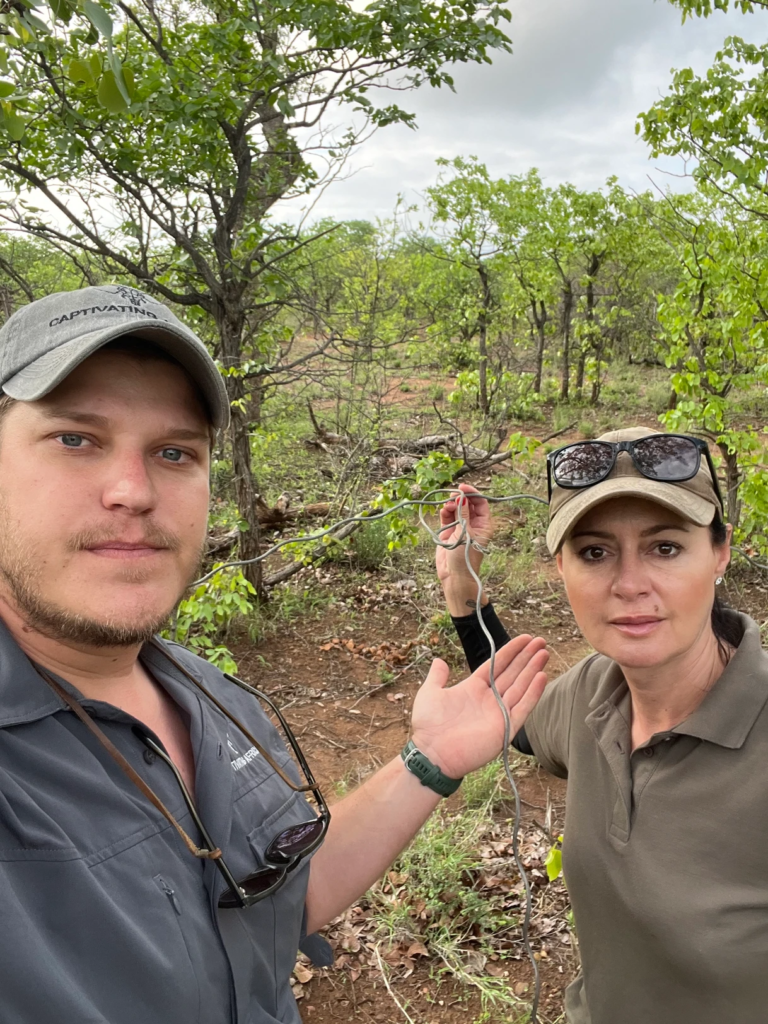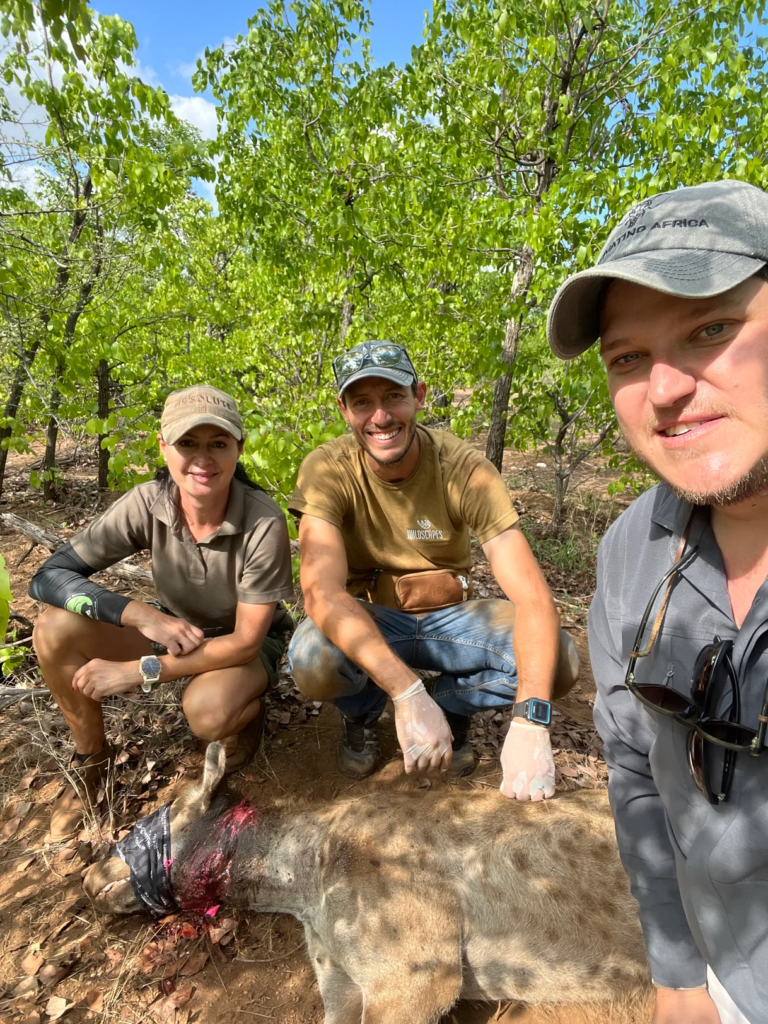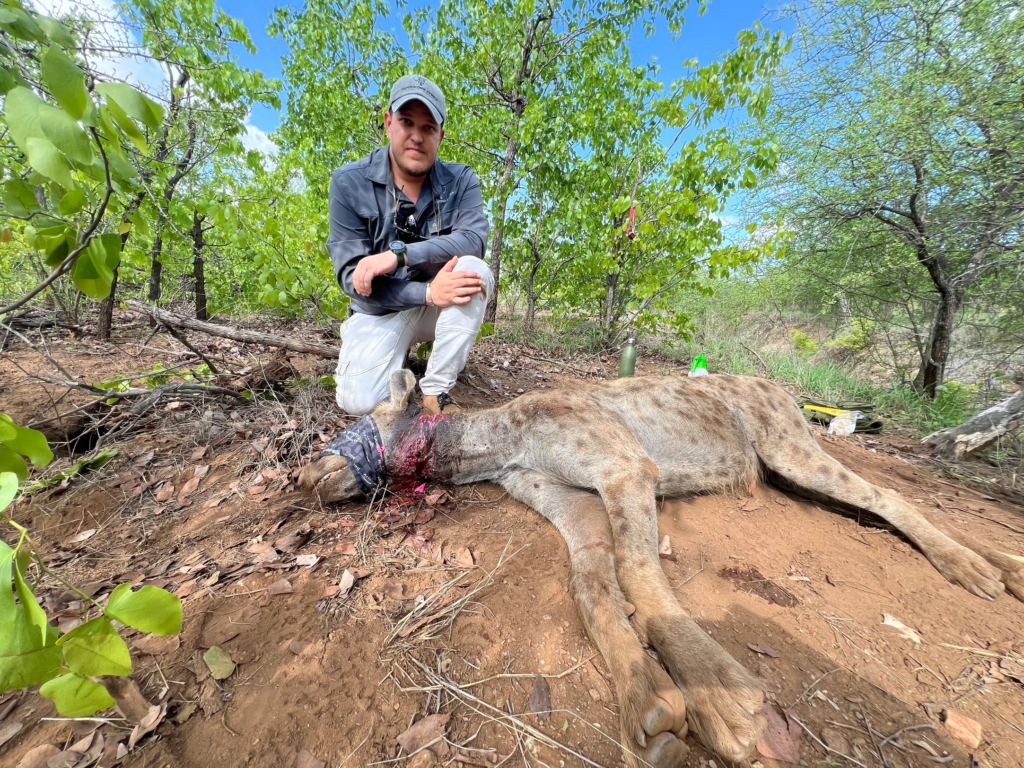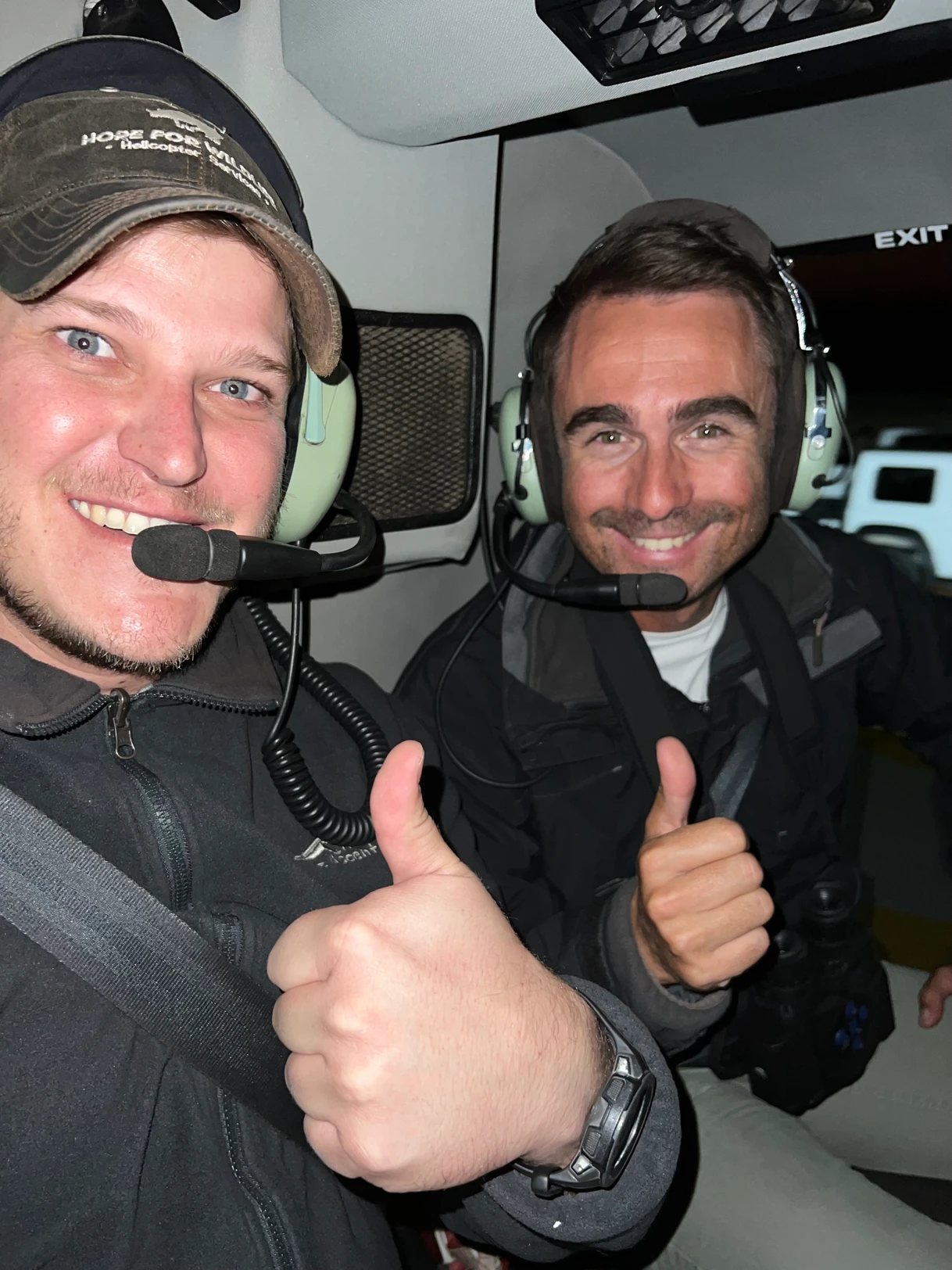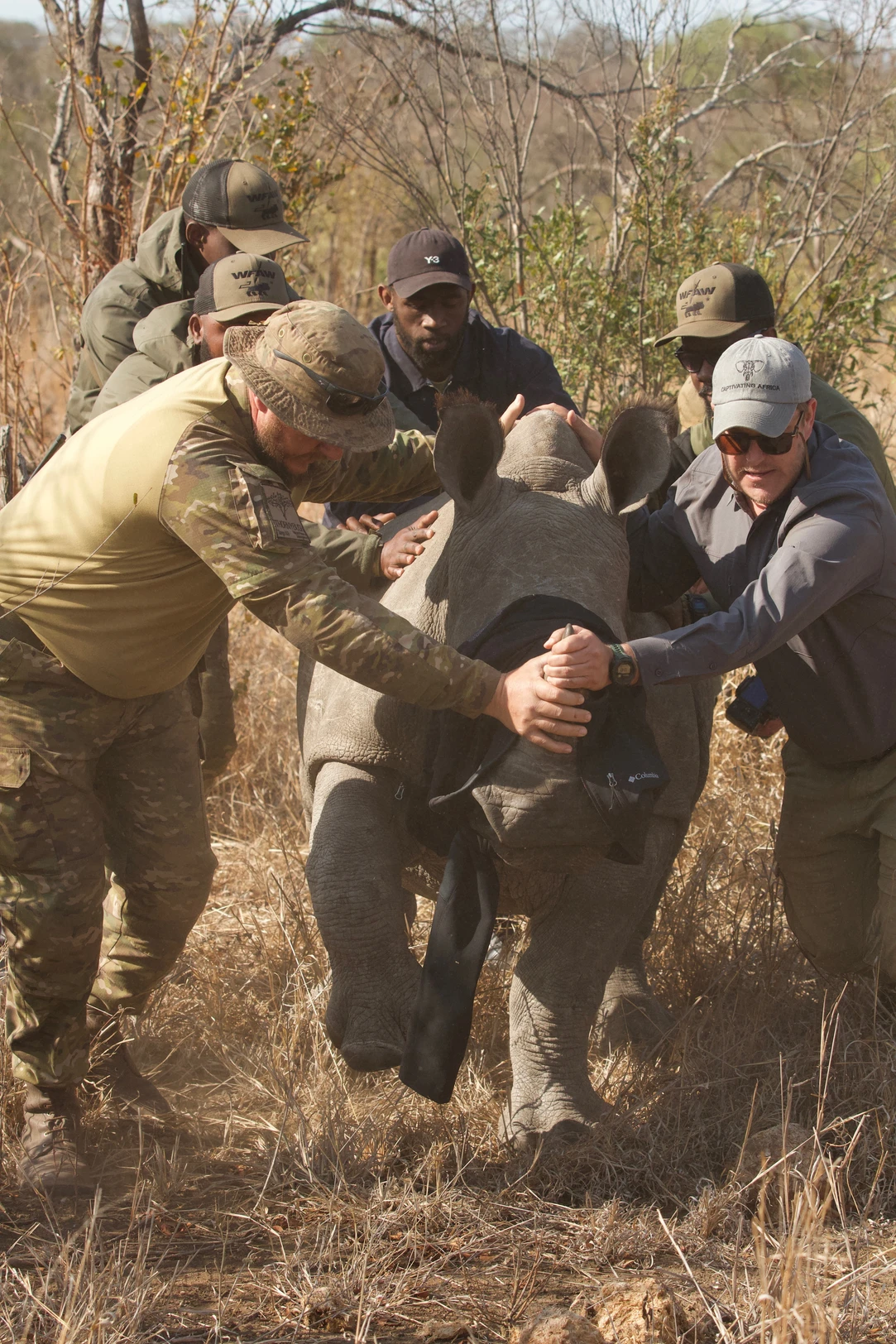
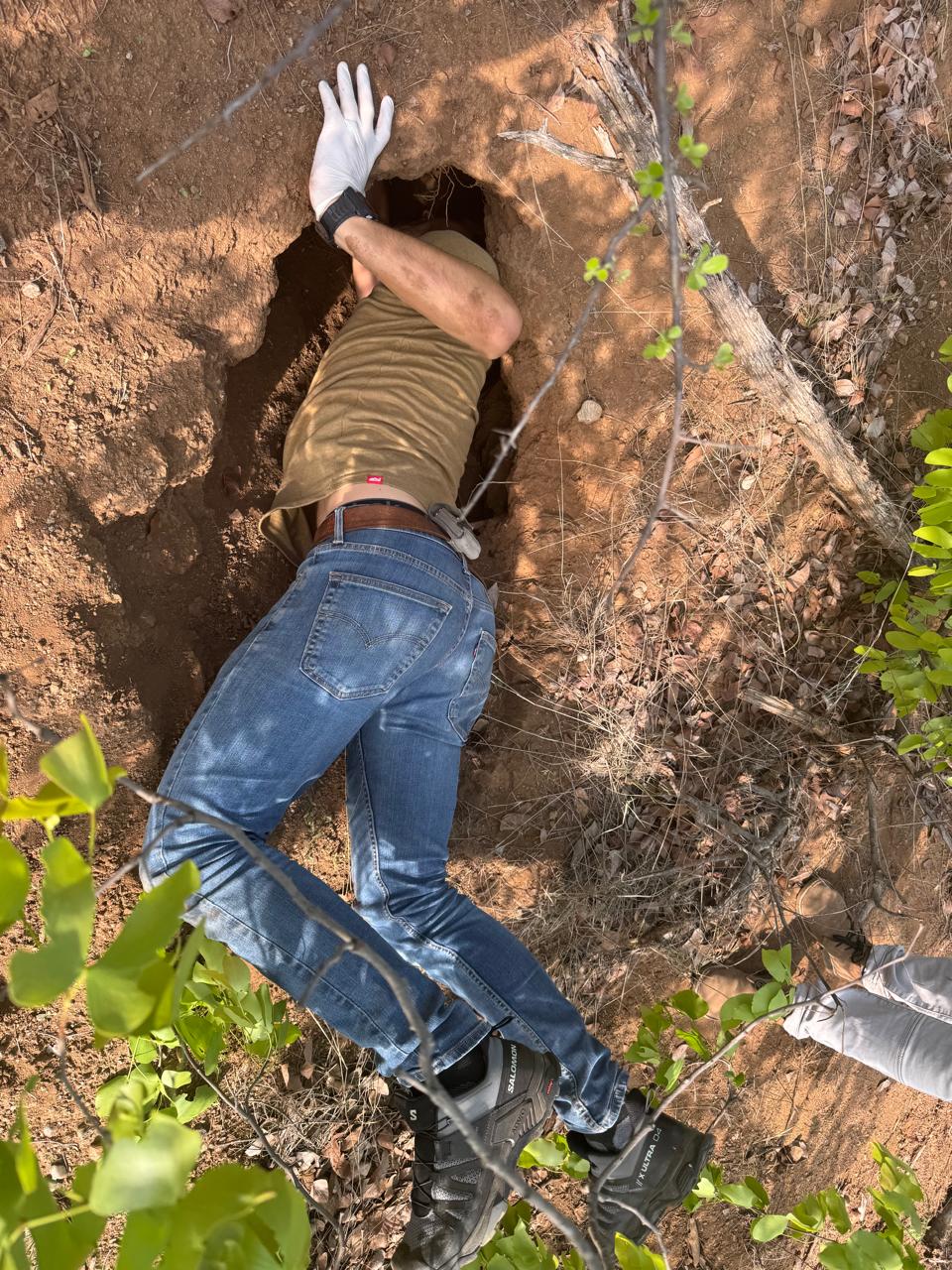
On November 20, 2024, Captivating Africa Legacy conducted a critical de-snaring operation at Letaba Ranch. The primary objective of this operation was to safely release animals ensnared by poachers and to ensure the continued survival of various species in the area. During the operation, we unfortunately discovered several animals that had already perished due to poaching. This reality further reiterated the urgent need for such interventions.
The operation was enhanced by the use of a helicopter, which not only allowed us to
access the more remote areas efficiently but also provided an aerial presence that deterred poachers from attempting further illegal activities in the region. The visibility of our operation sent a strong message that poaching would not be tolerated and that perpetrators would face serious consequences. Our dedicated team for this operation included Captivating Africa Legacy, Hope For Wildlife Conservation Services, and Wildscapes Vet Services. This collaboration was instrumental in the success of the operation, and we are deeply grateful for the expertise within our team and the support of our partners. At Captivating Africa Conservation Services, we take great pride in organizing and executing such critical conservation efforts.
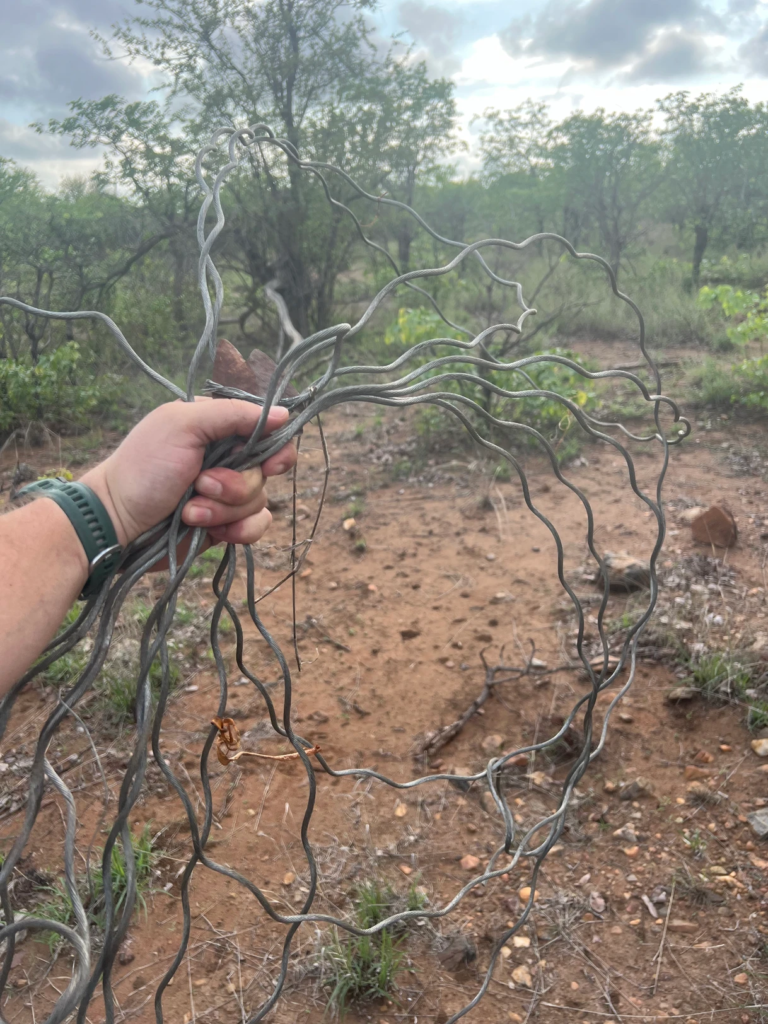
The team assembled at the hanger at 5:00 AM to ensure optimal conditions for the operation. It was essential to begin early, as the heat later in the day could compromise the safety of darting animals. After a brief flight of approximately 30 minutes, we arrived at the remote wilderness block and began our search. Within minutes, we encountered two dead zebras that had been snared by poachers, a tragic but timely reminder of the need for such operations. We immediately landed to further assess the area and identify any additional snares. Upon further investigation, we discovered another zebra carcass, which had been fully scavenged of meat. Within the immediate vicinity, we located 18 additional snares, indicating recent poacher activity had taken place. The poachers had likely left the carcass in an attempt to lure predators such as lions and hyenas into the trap, intending to sell their bones and organs on the black market.
Despite these tragic discoveries, the operation was ultimately a success, with several animals safely released and returned to the wild. We would like to extend our heartfelt gratitude to our donors, whose invaluable support makes these operations possible. Thanks to their generosity, we are able to continue our work and strive to create a lasting legacy of conservation that will benefit future generations. As part of our ongoing commitment to wildlife protection, Captivating Africa Legacy is dedicated to conducting similar operations in the future on a regular basis. Our goal is to ensure the safety of animals and maintain a strong anti-poaching presence in the region. These operations are crucial not only to combat the immediate threats of poaching but also to foster a sustainable environment where wildlife can thrive without the constant threat of illegal exploitation.